

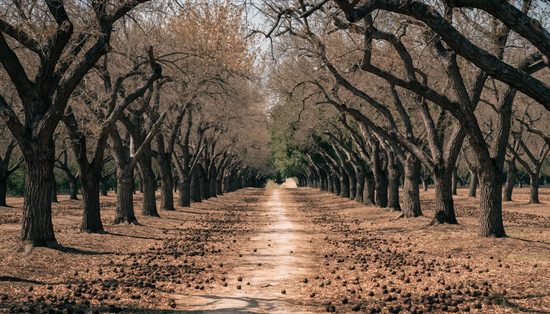
Tree nut crop protection & nutrition from Vegalab.
Natural pest, disease and nutrition programs for tree nuts: almonds, pistachios, pecans and hazelnuts.
Tree Nuts with Vegalab
Tree nuts face a distinctive complex of mites, worms, aphids and canopy diseases while growers protect kernel quality and meet residue expectations. Vegalab's natural programs fit tight harvest windows with zero pre-harvest and re-entry interval where registered.
Select a crop below for its pests, diseases and recommended Vegalab program. Registrations, claims and availability vary by jurisdiction - always follow the applicable label.
What the nut crops have in common
These are long-lived orchard crops, and almost everything that matters about managing them follows from that. A nut orchard is a decision made once and lived with for twenty to thirty years, so rootstock choice, spacing and soil preparation at establishment constrain what is possible for the rest of the planting's life. There is no replanting your way out of a mistake between seasons.
Tree nuts do not share one universal vulnerability window. Pollination and nut set, water and canopy function through kernel fill, and crop-specific pest windows drive the season. Hull split is critical for navel orangeworm management in almonds and has crop-specific relevance in pistachio, but it should not be generalized to walnuts, pecans, or hazelnuts.
Nutritionally the group is defined by demand at set and at fill. Zinc and boron shortfalls show up as poor set and blank nuts rather than as visible leaf symptoms, which is why they are so often diagnosed late; calcium and potassium demand peaks during kernel fill and competes directly with the tree's own reserves. Alternate bearing - a heavy year followed by a light one - is partly a nutritional phenomenon, and evening it out is one of the few levers that reliably improves multi-year returns.
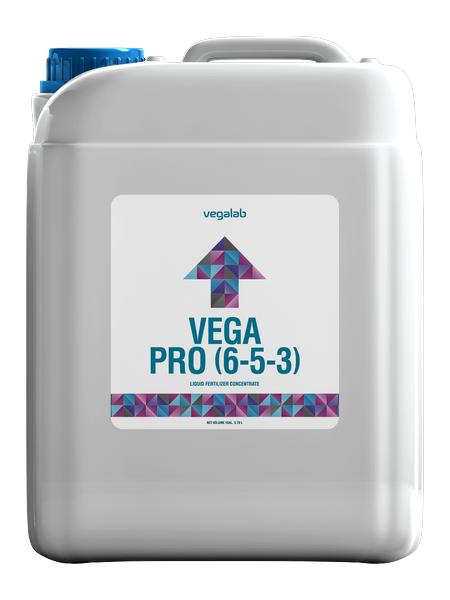
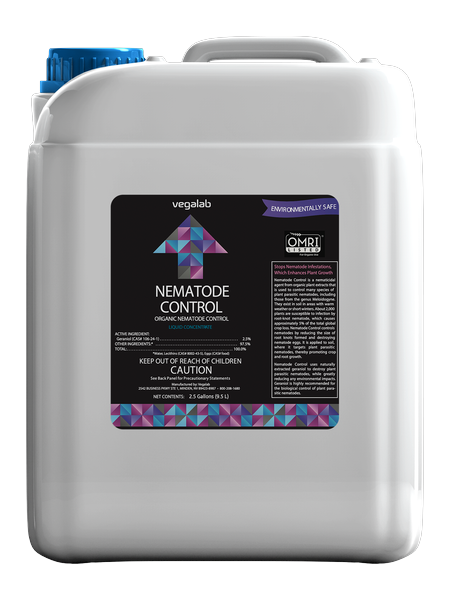
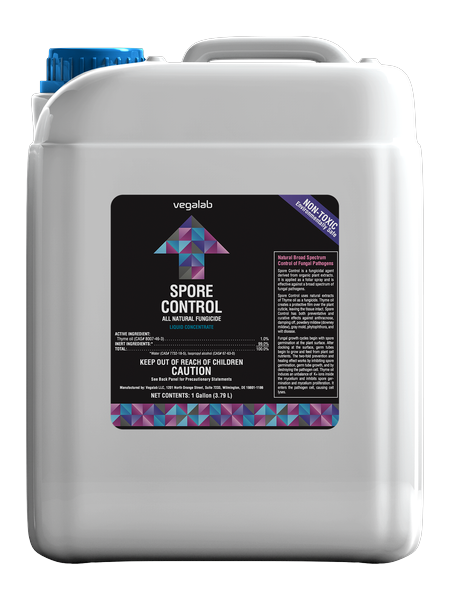
Applicable products for Tree Nuts
Every product below is recommended on at least one crop page in this group, and each card names which. Approved uses, registration and availability vary by market - confirm the current label for your country and state before use.
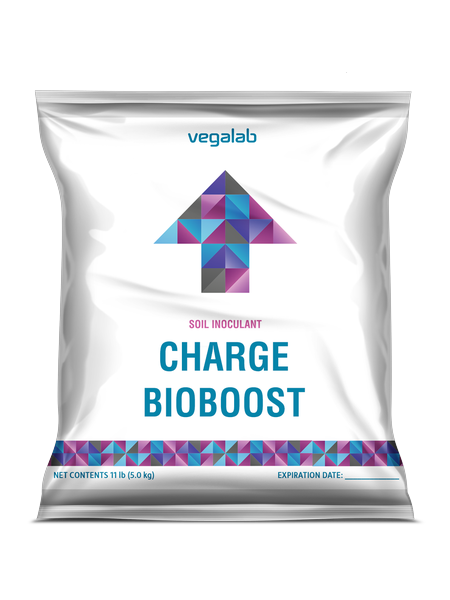
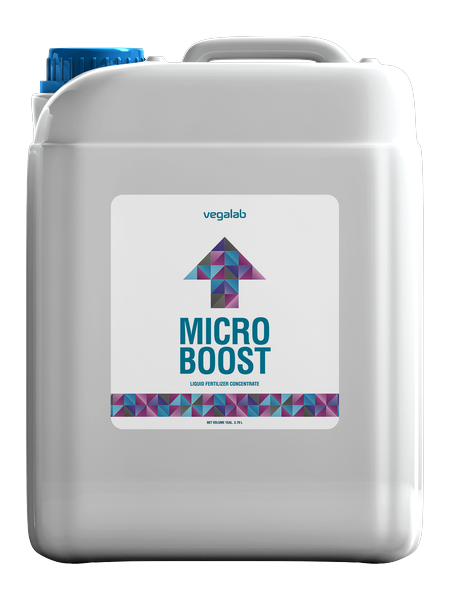
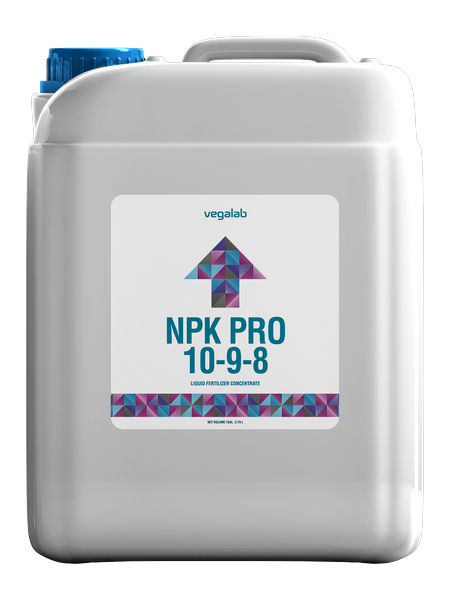
Open Product Finder for Almonds · Pistachios · Walnuts · Find a distributor
Pests & diseases affecting Tree Nuts
Identify a problem
Last updated: