

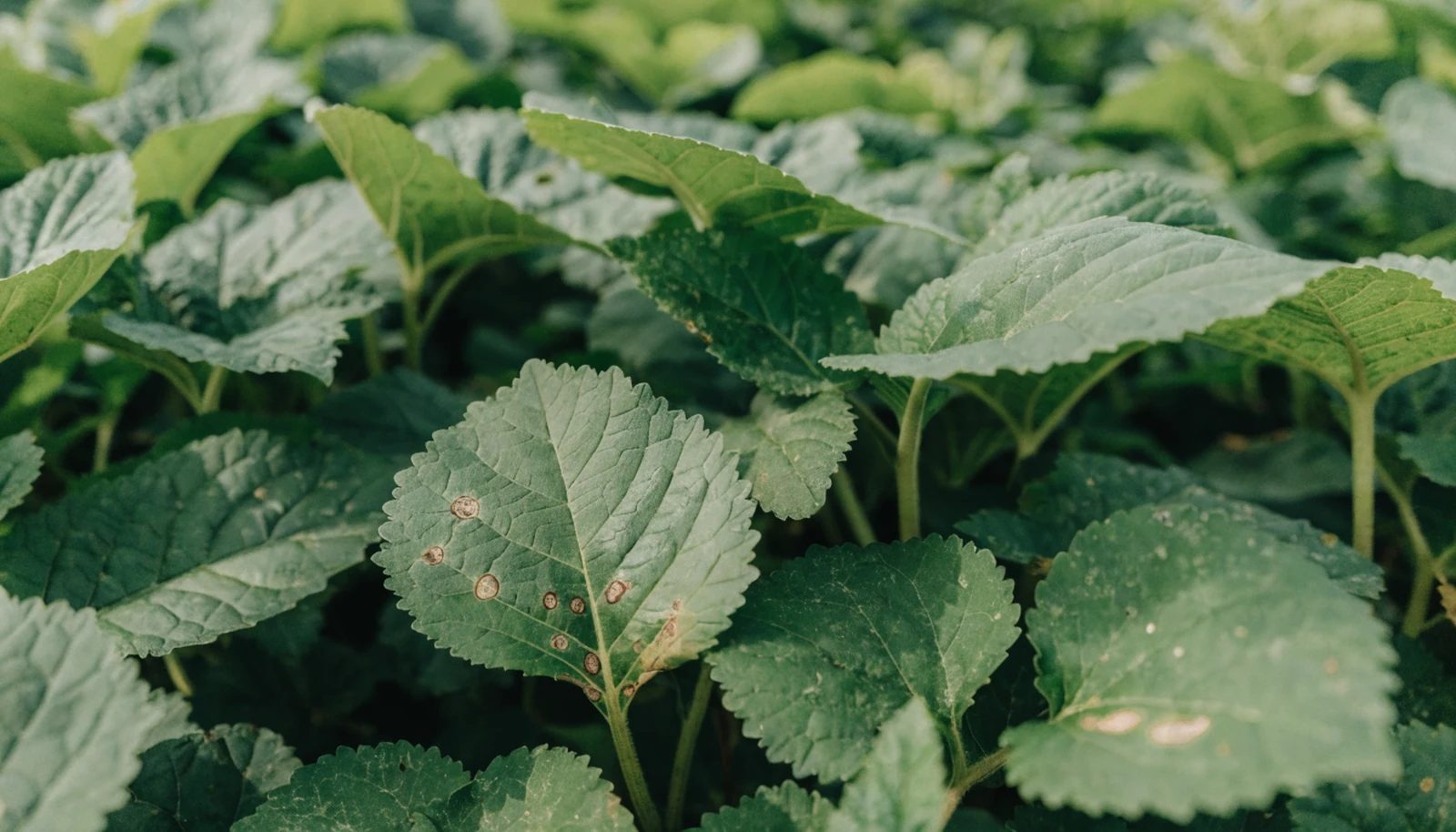
Common crops affected
Why it matters
Galled roots can't feed the plant - stunting, wilting, and yield loss follow, and the wounds invite secondary soil pathogens. Nematodes are hard to eradicate once established, so early, targeted control protects the crop and the soil.
When to act
Treat at or before transplant and through early root development, before galling advances. Warm soil speeds cycles, so don’t wait for symptoms.
What to look for
- Patches of stunted plants that wilt in the day and don’t fully recover
- Yellowing and early leaf drop from the bottom up
- Visible root galls when plants are lifted
- Reduced set and small, uneven fruit under load
How to manage it
- Rotate with non-host or resistant crops in known hot spots.
- Build organic matter and soil biology.
- Use clean transplants; sanitise tools and avoid moving infested soil.
- Apply Nematode Control via soil irrigation, before or at planting and where infestation exists.
Recommended Vegalab program
Nematode Control · a geraniol-based encapsulated nematicide that releases in the root zone, with zero PHI and zero REI.
| Role | Product | Use |
|---|---|---|
| Primary control | Nematode Control | Soil-applied natural nematicide (irrigation) |
| Root recovery | Root Boost | Rebuild damaged roots |
| Soil biology | Charge Bioboost | Suppressive soil biology |
Product claims, rates, and availability vary by jurisdiction; always follow the applicable label.