

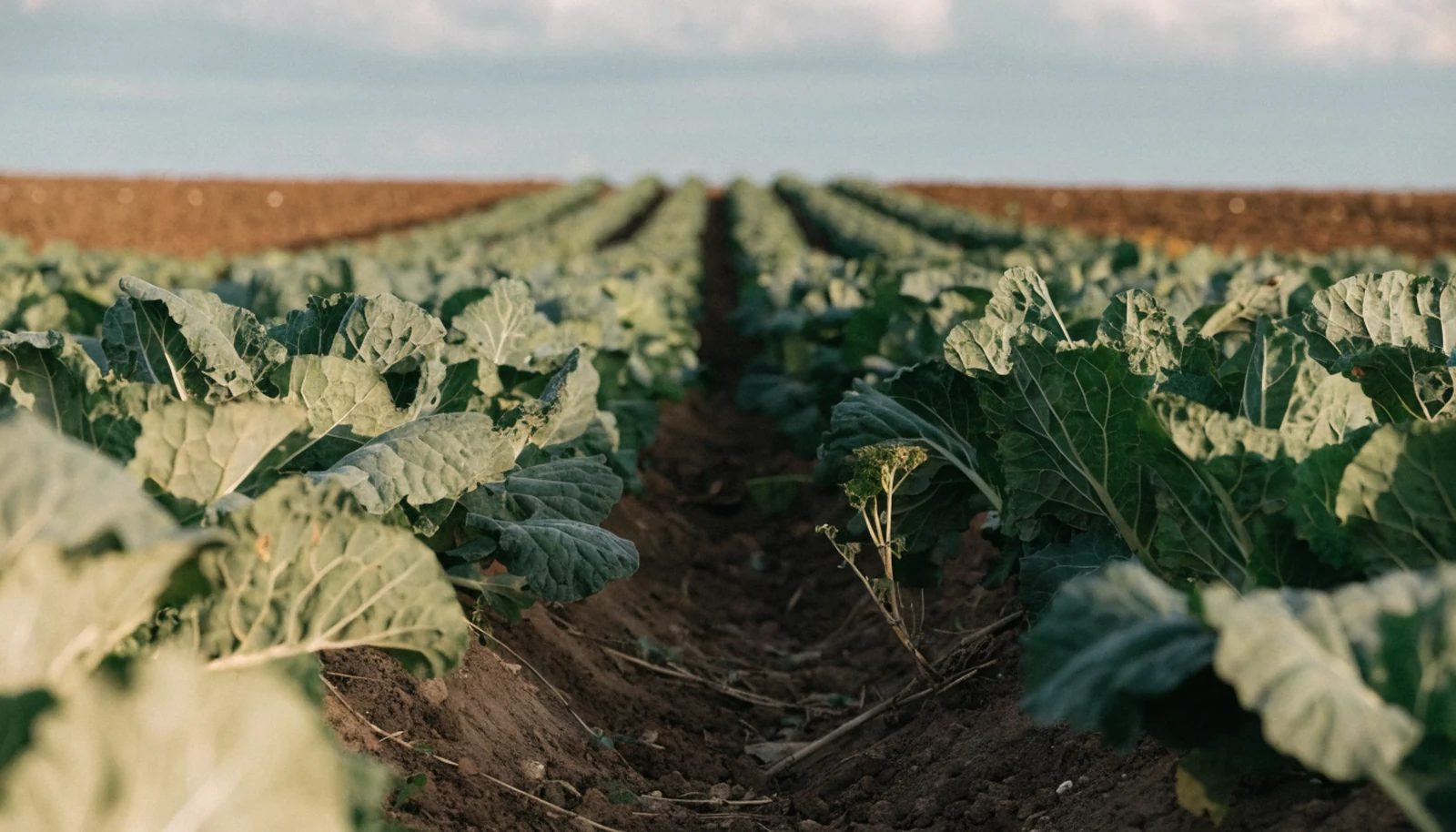
Common crops affected
Why it matters
Brix drives flavour, grade, and price; it's built by healthy photosynthesis plus potassium and finishing nutrition, so two blocks of the same variety can differ widely.
When it appears
During fruit development and ripening - the finishing window.
What drives it
- Photosynthesis and canopy health
- Controlled irrigation late-season
- Potassium and sugar-loading nutrition
- Load balance and ripening timing
How to manage it
- Protect late-season leaf health; supply potassium; avoid late nitrogen.
- Apply Brix Boost with Potassium Pro through ripening.
Recommended Vegalab program
Brix Boost · encapsulated nutrition supporting sugar accumulation during ripening.
Observed results: in a Vegalab mini-trial on cherry tomato (Metro Manila, Philippines, March 2022), Brix Boost at 1:500 read 6 °Brix against 4 °Brix for both the untreated control and a 15-15-30+TE foliar - this was an early indicative trial, not a replicated study. Charge BioBoost lifted soluble solids separately and on replicated ground: +0.44 °Brix on Dutch cucumber (Granada, Spain, 2015-16) and +0.60 °Brix on processing tomato (Firebaugh, California, year three against the year-one grower standard), third-party tested and reported by The Agronomy Group.
| Role | Product | Use |
|---|---|---|
| Sugar enhancer | Brix Boost | Fruit-sweetening fertiliser (P, K, trace elements) |
| Potassium drive | Potassium Pro | Moves sugars into fruit |
| Finish | Harvest Pro | Late-season fruit development |
Apply from early ripening on the label interval; ease late irrigation to concentrate sugars where crop-appropriate.
Product claims, rates, and availability vary by jurisdiction; always follow the applicable label.