


Neem oil vs insecticidal soap
Last updated:
Both kill soft-bodied pests such as aphids and spider mites only where the spray touches them, and both must be repeated because they leave no lasting residue3,5,6. Insecticidal soap is a contact insecticide made of potassium salts of fatty acids3. Neem oil also controls mild to moderate powdery mildew, and its azadirachtin disrupts insect feeding and growth1,7.
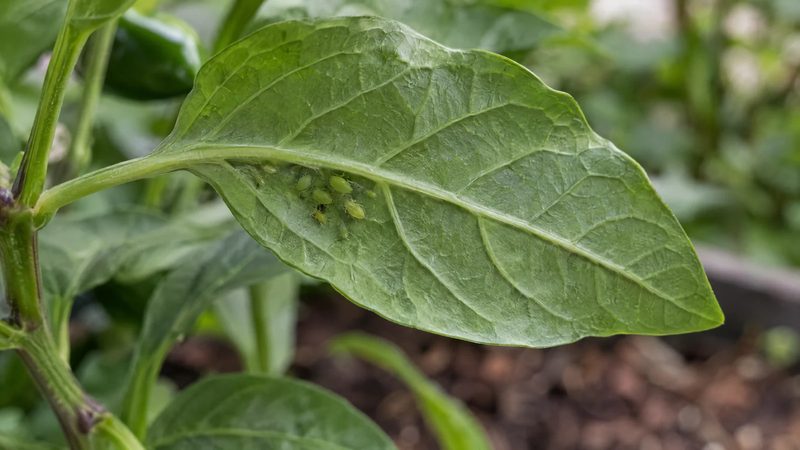
What is the difference between neem oil and insecticidal soap?
Insecticidal soaps are potassium salts of fatty acids, and the insecticidal soaps sold under various trade names all share that active ingredient3. Soaps have been used against insects for more than 200 years, and the first soap salt pesticide was registered by the EPA in 19473. They kill by disrupting insect cell membranes, so the insect dies from rapid dehydration, and they can strip the protective waxes from some insects3.
Neem oil comes from the seeds of the neem tree (Azadirachta indica) and has been used for hundreds of years against pests and diseases1,2. It is a mixture: azadirachtin, its most active component, reduces feeding, repels insects and interferes with their hormone systems, which makes it harder for them to grow and lay eggs1. The oil left after azadirachtin is extracted, called clarified hydrophobic neem oil, still works as an insecticide and fungicide, and many neem products sold in nurseries contain this oil fraction1,2. Like other spray oils, it kills mainly by blocking the breathing pores (spiracles) of the insects it coats2.
| Question | Neem oil | Insecticidal soap |
|---|---|---|
| Active ingredient | Neem seed oil; azadirachtin or clarified hydrophobic neem oil1 | Potassium salts of fatty acids3 |
| How it kills | Smothers insects; azadirachtin disrupts feeding, growth and egg laying1,2 | Disrupts cell membranes, causing dehydration3 |
| Pests listed | Aphids, spider mites, whiteflies, young scales2,5,6 | Aphids, young scales, whiteflies, psyllids, mealybugs, mites3 |
| Plant diseases | Mild to moderate powdery mildew; some rusts2,7 | Sold for insects and mites; other soap salts act as fungicides3 |
| Residual activity | Kills only pests present on the day sprayed5 | None once the spray dries3 |
| Water quality | Not a stated factor in the cited guidance | Hard water reduces effectiveness4 |
| Fish | Neem oil slightly toxic; azadirachtin moderately toxic1 | Not rated in the cited guidance |
In North America, interest in neem oil and insecticidal soap peaks in June as aphid, spider mite and powdery mildew pressure builds, and neither should be sprayed above 90°F or on water-stressed plants. In the Southern Hemisphere, the same window falls around December and January.
Which works better on aphids and spider mites?
Neither has a clear edge in the guidance5,6. For aphids, University of California guidance names insecticidal soaps and oils, including neem, as the best insecticide choices in most situations5. Both kill mainly by smothering, so infested foliage needs thorough coverage on the undersides of leaves as well as the tops5. Soaps, neem oil and horticultural oil kill only the aphids present on the day they are sprayed, so applications may need repeating5.
Contact sprays cannot reach aphids sheltered in galls or tightly curled leaves, and insects that cannot be completely wetted are not controlled3,5. That limit applies to both products equally, as it does to any contact-only insecticide5.
For spider mites, the same guidance lists insecticidal soap, insecticidal oil, or a combination of the two, and accepts plant-based oils such as neem6. Oils and soaps must contact the mites to kill them, so excellent coverage of leaf undersides is essential, and repeat applications may be required6. Colorado State University Extension notes that soap may need repeating every 4 to 7 days for spider mites and scale crawlers3. Follow the product label for intervals.
Which pests does each one miss?
Insecticidal soap works on small, soft-bodied arthropods3. Larger insects such as caterpillars, sawflies and beetle larvae are generally immune to soap sprays, and large adult insects with tougher exoskeletons are generally not affected3.
Neem oil reaches a little further. Spray oils control spider mites, whiteflies and young scale insects during the growing season, and oils can also inhibit some aphid-transmitted plant viruses2. Azadirachtin acts on insects that eat treated plant tissue, but because many retail neem products contain the azadirachtin-free oil fraction, check the active ingredient line on the label to see which form you have1,2.
Does either one work on powdery mildew, and where does copper fit?
Neem oil does, while insecticidal soap is sold for insects and mites3. Neem oil and other oils control mild to moderate powdery mildew infections and work best as eradicants, with some protective activity7. Neem oil products have been effective against several types of powdery mildew and rust2. Depending on carbon chain length, soap salts can act as insecticides, fungicides or herbicides, and insecticidal soap products are sold for insects and mites3.
Copper fungicide is a different tool. Its copper ions act on water molds, fungi and bacteria, and it works as a protectant that must be on plant surfaces before disease starts8. Against powdery mildew, copper is available but not very effective7. So neem oil is the better of the two for powdery mildew, and copper suits the water mold, fungal leaf spot and bacterial diseases it is labeled for7,8.
One spacing rule matters for any oil, including neem: never apply an oil within 2 weeks of a sulfur spray, and never apply oils above 90°F or to drought-stressed plants7.
Which one is more likely to injure plants?
Both carry some risk, and the sensitive plants differ2,4. Clemson Cooperative Extension lists plants that can be seriously injured by soap sprays, and notes that plants with a bluish, waxy leaf coating may lose their color as the wax is washed away4. Leaf damage from soap can build up with repeated applications3. Hard water also matters for soap: calcium, magnesium and iron make the fatty acids drop out of solution, which reduces effectiveness4.
For neem oil insecticides, Colorado State University Extension lists precautions on impatiens, fuchsia, hibiscus, some roses, ornamental olive and some carnation varieties, and all spray oils carry a small but real risk of plant injury2. For either product, skip water-stressed plants and days above 90°F, and test on a portion of the foliage several days before a full treatment5,6.
| Product | Plants named as sensitive or needing precautions |
|---|---|
| Insecticidal soap | Portulaca, hawthorn, sweet pea, cherry, plum, horse chestnut, mountain ash, Japanese maple, bleeding heart, maidenhair fern, crown of thorns, lantana, nasturtium, gardenia, Easter lily4 |
| Insecticidal soap (somewhat sensitive) | Azalea, begonia, fuchsia, geranium, impatiens4 |
| Neem oil insecticides | Impatiens, fuchsia, hibiscus, some roses, ornamental olive, some carnations2 |
| Spray oils on woody plants | Black walnut, cryptomeria, Douglas-fir, hickories, junipers and cedars, maples, redbud, smoke tree, spruce2 |
Which is lower risk for bees, beneficial insects and fish?
Both are among the less toxic options for natural enemies5. University of California guidance recommends soaps and oils partly because they are less toxic to natural enemies; they can kill beneficials that are hit directly but leave no toxic residue for those that arrive later5. Large adult insects such as lady beetles and bees are generally not affected by soap, although their larval stages may be3. Soaps affect beneficial mites as well as pest mites3.
Neem oil is rated practically non-toxic to birds, mammals and bees, partly because insects must eat treated plant tissue to be affected by azadirachtin1. It is slightly toxic to fish and aquatic organisms, and azadirachtin is moderately toxic to them, so keep spray and runoff out of ponds and streams1. Neem oil applied to cats for flea control in other countries caused adverse reactions, some fatal, so keep neem products off pets1.
Key takeaways
- University of California guidance ranks both among the best choices for aphids and spider mites, and both work only on the pests they wet.
- Neem oil also controls mild to moderate powdery mildew; insecticidal soap does not.
- Neither leaves a lasting residue, so repeat applications are part of the plan.
- Copper is not very effective on powdery mildew; it is a protectant for other fungal, water mold and bacterial diseases.
- Skip water-stressed plants and days above 90°F, test a few leaves first, and follow the product label.
References
- Neem Oil General Fact Sheet
- Insect Control: Horticultural Oils (Fact Sheet 5.569)
- Insect Control: Insecticidal Soap (Fact Sheet 5.547)
- Insecticidal Soaps for Garden Pest Control (HGIC 2771)
- Pest Notes: Aphids (UC ANR Publication 7404)
- Pest Notes: Spider Mites (UC ANR Publication 7405)
- Pest Notes: Powdery Mildew on Vegetables (UC ANR Publication 7406)
- Copper in plant protection: current situation and prospects
Frequently asked questions
Can you mix neem oil and insecticidal soap?
Can you use dish soap instead of insecticidal soap?
Colorado State University Extension does not recommend it. Dish soaps contain detergents that can injure plants, damage soil and contaminate waterways, and homemade mixes are not consistently formulated or tested3. Household soaps also do not qualify as exempt minimum risk pesticides, so their use as pesticides is of questionable legality3.