


How do beneficial nematodes control pests?
Last updated:
Beneficial nematodes are microscopic roundworms that parasitize insects. Steinernema and Heterorhabditis species enter a host larva and release symbiotic bacteria that kill it within a day or two, then a new generation emerges from the cadaver to hunt. Results depend on matching each species' foraging behavior to the pest, and on moist soil, moderate soil temperature and protection from UV.
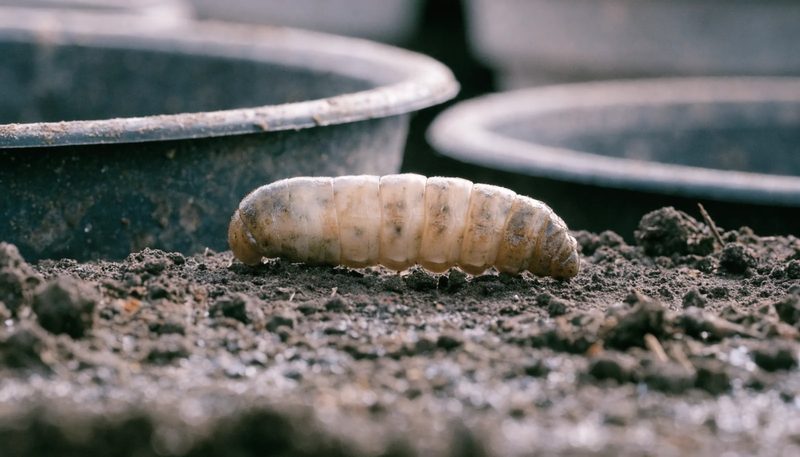
What is beneficial nematodes?
Entomopathogenic nematodes are microscopic roundworms that parasitise insects. They are entirely distinct from the plant-parasitic nematodes that damage crops · the same word covers both, and the confusion is one of the most common in this field.
Two genera dominate commercial use. Steinernema carries symbiotic Xenorhabdus bacteria; Heterorhabditis carries Photorhabdus. The nematode locates and enters a host larva, releases its bacterial partner, and the bacteria kill the insect within a day or two. The nematodes reproduce inside the cadaver and a new generation emerges to hunt.
Which nematode species suits which pest?
Steinernema carpocapsae is an ambush forager: it waits near the soil surface with its body raised and attacks passing mobile insects. That makes it well suited to caterpillars, cutworms, webworms and weevil larvae moving at or near the surface.
Heterorhabditis species are cruise foragers, actively moving through soil to find sedentary hosts - better suited to root-feeding grubs and, in the case of Heterorhabditis megidis in Mosquito BioControl, larvae in standing water.
Matching foraging strategy to pest behavior is the single most important decision in using these products, and most failures come from getting it wrong rather than from product quality.
What conditions do beneficial nematodes need?
These are living organisms with narrow tolerances. Soil temperature must generally be in the mid-teens to high twenties Celsius; too cold and they are inactive, too warm and they die. Soil must be moist before, during and after application - they move in water films and desiccate quickly. UV kills them in minutes, so application must be at dusk, in dull conditions, or watered in immediately. They must not be exposed to high pressure or fine screens in application equipment. And they have a genuine shelf life under refrigeration.
This is why field results vary so much more than for a chemical active, and why an honest page has to lead with conditions rather than efficacy figures.
What does beneficial nematodes not do?
No activity against plant-parasitic nematodes, foliar pests out of reach of soil moisture, or pests in dry surface conditions. No residual chemistry - once the population declines, protection ends. They are not a rescue treatment for a heavy established infestation, and they will not persist reliably season to season in most managed soils.
Is beneficial nematodes safe?
Among the most benign pest-control options available. No mammalian, avian or plant toxicity, no residue, no re-entry interval, and generally exempt from pesticide registration in many jurisdictions because they are living macro-organisms rather than chemicals. Safe around pets and children, which makes them one of the few products where the honest answer to "is this safe around my cat" is an unqualified yes.
Which products are built on beneficial nematodes?
Larva BioControl (Steinernema carpocapsae, live infective juveniles at 50% w/w) targeting soil-dwelling larvae including cutworm, webworm, fungus gnat, weevil and beetle grubs; and Mosquito BioControl (Heterorhabditis megidis, live nematodes at 2.0% w/w) targeting Aedes, Culex and Anopheles larvae in standing water.
Key takeaways
- Entomopathogenic nematodes are distinct from the plant-parasitic nematodes that damage crops.
- Steinernema carpocapsae ambushes mobile insects near the soil surface; Heterorhabditis species hunt sedentary hosts such as root-feeding grubs.
- Soil must be moist before, during and after application, and UV kills nematodes in minutes.
- They have no activity against plant-parasitic nematodes and no residual chemistry.
- They show no mammalian, avian or plant toxicity and leave no residue.
References
Frequently asked questions
Do beneficial nematodes kill mosquitoes?
Heterorhabditis megidis, a cruise-foraging species, is used against Aedes, Culex and Anopheles larvae in standing water. Like other entomopathogenic nematodes, it enters the larva and releases bacteria that kill it.
When should you apply beneficial nematodes?
Apply at dusk, in dull conditions, or water them in immediately, because UV kills them in minutes. Soil temperature should generally be in the mid-teens to high twenties Celsius, and the soil must be moist before, during and after application. Avoid high pressure and fine screens in application equipment.
Do beneficial nematodes control grubs and fungus gnats?
Steinernema carpocapsae is used against soil-dwelling larvae including cutworm, webworm, fungus gnat, weevil and beetle grubs. Heterorhabditis species, which move through soil to find sedentary hosts, are better suited to root-feeding grubs.
Products
This page lists the products built on beneficial nematodes above.