

What is Trichoderma and how does it protect plants?
Last updated:
Trichoderma is a genus of fast-growing soil fungi, and Trichoderma harzianum is the species most used in biocontrol. It protects plants mainly by mycoparasitism: its hyphae coil around a host fungus, secrete chitinases and glucanases, then penetrate and consume it. It also competes for space and nutrients, produces antifungal metabolites and induces systemic resistance in colonized plants.
What is trichoderma?
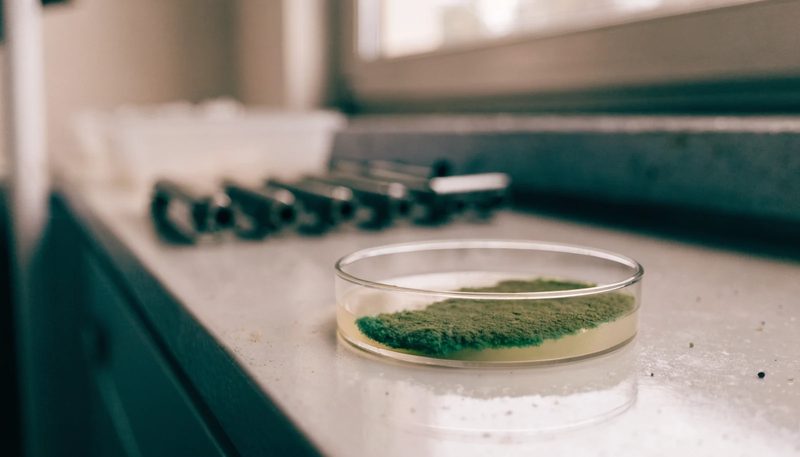
Trichoderma is a genus of fast-growing soil fungi, widely distributed and long used in agriculture and industry. Trichoderma harzianum is the species most used in biocontrol; Trichoderma reesei is best known industrially as a cellulase producer, and its presence in a soil product points toward organic matter breakdown rather than direct antagonism.
How does trichoderma work?
Mycoparasitism is the headline mechanism and an unusually direct one: Trichoderma hyphae grow toward a host fungus, coil around its hyphae, secrete cell-wall-degrading enzymes including chitinases and glucanases, and penetrate and consume it. It is visible and specific.
Alongside that, Trichoderma competes aggressively for space and nutrients, produces antifungal secondary metabolites, and induces systemic resistance in colonized plants. Some strains also improve root architecture and nutrient uptake, and solubilize micronutrients.
What does trichoderma not do?
Establishment-dependent and preventive, like other microbial agents - it must be present before or as pathogen pressure develops. It is not effective against bacterial or viral disease. It can be suppressed by fungicides, which creates a real program-compatibility question that any honest recommendation must address: applying a systemic fungicide and a Trichoderma inoculant together will often waste one of them. And it does not persist indefinitely; reapplication is normal.
Is trichoderma safe?
Very low risk to humans, animals and plants, with a long history of agricultural use and acceptance in organic programs. Avoid inhaling concentrated spore preparations. A small number of Trichoderma species are opportunistic pathogens in severely immunocompromised people, which is a handling note rather than a product concern.
Where does trichoderma appear in the range?
Trichoderma harzianum and Trichoderma reesei are two of the eleven strains in Charge BioBoost.
Key takeaways
- Trichoderma reesei is best known as a cellulase producer, which points toward organic matter breakdown rather than direct antagonism.
- Mycoparasitism is a direct, visible and specific mechanism.
- It is preventive and must be present before or as pathogen pressure develops.
- It is not effective against bacterial or viral disease.
- It does not persist indefinitely, so reapplication is normal.
References
Frequently asked questions
Is Trichoderma harmful to people?
It is very low risk to humans, animals and plants, with a long history of agricultural use. Avoid inhaling concentrated spore preparations. A small number of Trichoderma species are opportunistic pathogens in severely immunocompromised people, which is a handling note.
Can Trichoderma be used with fungicides?
Fungicides can suppress Trichoderma, so the two need planning within a program. Applying a systemic fungicide and a Trichoderma inoculant together will often waste one of them.
What is Trichoderma harzianum?
Trichoderma harzianum is the Trichoderma species most used in biocontrol. It attacks other fungi through mycoparasitism, coiling around their hyphae and degrading their cell walls with enzymes such as chitinases.
More in actives
Products
No direct product mapping. Nothing in the Vegalab range declares trichoderma in its composition, so this page has no product link - the absence is deliberate, not an omission.