


Silicon for plants: what potassium silicate does
Last updated:
Potassium silicate supplies soluble silicon and potassium. Plants deposit silicon as amorphous silica in cell walls and beneath the cuticle, which stiffens tissue, improves resistance to lodging and reduces penetration by fungal hyphae and piercing insect mouthparts. Silicon also primes defense responses and eases salinity, drought and metal stress. The benefits are preventive and largest in high-accumulating crops such as rice, sugarcane and cereals.
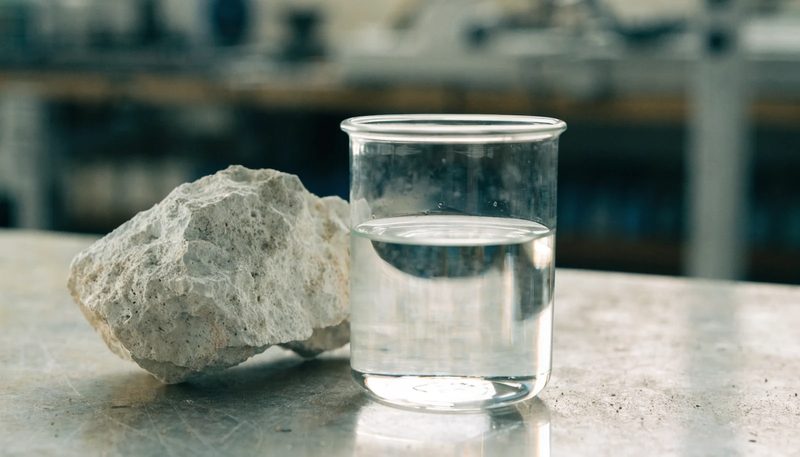
What is silicon and potassium silicate?
Silicon is the second most abundant element in the earth's crust but is available to plants only as soluble silicic acid. Potassium silicate is the usual soluble source in crop inputs, supplying both silicon and potassium in a strongly alkaline solution - a formulation constraint worth knowing, since it limits what silicate can be tank-mixed with.
Silicon is classified as essential for very few plant species, but as beneficial for many. Accumulation varies enormously: rice, sugarcane and cereals accumulate a great deal, while most dicots accumulate little.
How does silicon and potassium silicate work?
Two mechanisms, both well supported. Physically, silicon is deposited as amorphous silica in cell walls and beneath the cuticle, stiffening tissue. That improves resistance to lodging, reduces penetration by fungal hyphae and piercing insect mouthparts, and reduces water loss.
Biochemically, silicon primes defense responses: silicon-treated plants respond faster and more strongly to pathogen attack, with increased phenolic and phytoalexin production. This appears to be a genuine priming effect rather than a consequence of the physical barrier.
Silicon also alleviates several abiotic stresses - salinity, drought, and metal toxicity - partly by reducing uptake or by sequestration.
What does silicon and potassium silicate not do?
It is not a fertilizer in the growth-promoting sense and will not increase yield in unstressed, disease-free conditions. It does not cure established disease; the benefit is preventive priming and structural. Uptake requires soluble silicic acid, so the source and its solubility matter more than total silicon content. And in low-accumulating dicot crops the benefits are smaller and less consistent than in grasses.
How should potassium silicate be mixed and handled?
Potassium silicate solutions are strongly alkaline, typically pH 11 or above. They are incompatible with acidic products and with many calcium and magnesium sources, which precipitate. Tank-mix order and jar testing matter here more than for most inputs, and this is a common source of field failures and blocked nozzles.
Where does silicon and potassium silicate appear in the range?
Armour Boost (soluble silica and potassium silicate, K 6% and Si 15%, positioned for cell-wall rigidity, frost and insect resistance and lodging prevention) and Rigid Boost (silicon with potassium, phosphorus, nitrogen and calcium chloride). Note the data issue flagged elsewhere: Rigid Boost's active row omits calcium although the guaranteed analysis lists Ca 2%, and its positioning is inconsistent between the heading and the body copy.
Key takeaways
- Plants can take up silicon only as soluble silicic acid.
- Silicon is classified as essential for very few plant species but beneficial for many.
- It does not increase yield in unstressed, disease-free conditions or cure established disease.
- Potassium silicate solutions are typically pH 11 or above and incompatible with acidic products and many calcium and magnesium sources.
- Benefits are smaller and less consistent in low-accumulating dicot crops.
References
Frequently asked questions
Do plants need silicon?
Silicon is classified as essential for very few plant species, but as beneficial for many. Accumulation varies enormously: rice, sugarcane and cereals accumulate a great deal, while most dicots accumulate little.
Does silicon help plants resist fungal disease and insects?
Silica deposited in cell walls reduces penetration by fungal hyphae and piercing insect mouthparts, and silicon-treated plants respond faster and more strongly to pathogen attack. The benefit is preventive priming and structural; silicon does not cure established disease.
Can potassium silicate be tank mixed with other products?
With care. Potassium silicate solutions are strongly alkaline, typically pH 11 or above, and are incompatible with acidic products and with many calcium and magnesium sources, which precipitate. Tank-mix order and jar testing matter, since this is a common source of field failures and blocked nozzles.
Products
No direct product mapping. Nothing in the Vegalab range declares silicon and potassium silicate in its composition, so this page has no product link - the absence is deliberate, not an omission.