


Living biology that feeds the foundation of yield.
Vegalab's soil inoculants introduce beneficial bacteria and mycorrhizal networks that unlock soil nutrients, strengthen root architecture, and drive sustainable crop performance from the ground up.
Charge the soil. Charge the crop.
Healthy soil is the foundation of every productive crop. Vegalab's soil inoculants introduce high-count populations of living beneficial bacteria and mycorrhizal fungi, establishing the microbial communities that mobilize locked-up nutrients, improve water retention, and build the root networks that sustain crop productivity - season after season.
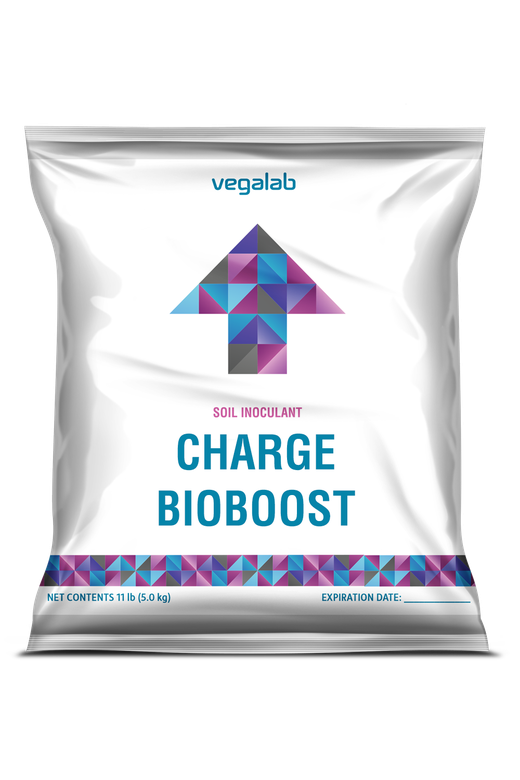
Living soil bacterial inoculant delivering high viable counts of beneficial rhizobacteria. Improves nutrient cycling, supports nitrogen fixation, and enhances plant root colonization for sustained crop vigor.
View product →A living soil is a productive soil.
Nutrient mobilization
Beneficial bacteria solubilize bound phosphorus and fix atmospheric nitrogen, making nutrients available to crops without additional synthetic inputs.
Expanded root networks
Mycorrhizal fungi extend root reach by up to 700×, giving plants access to water and nutrients far beyond the native root zone.
Crop resilience
A biologically active root zone buffers against drought stress, improves transplant success, and helps plants recover more rapidly from environmental pressures.
Want to know which inoculant fits your soil type and crop?
Contact usWhat a soil inoculant does, and when it pays
A soil inoculant does not feed the crop directly. It introduces living organisms into the root zone so the soil itself cycles nutrients more efficiently - beneficial bacteria mobilising nitrogen and cycling nutrients into plant-available forms, mycorrhizal fungi extending the root system further than roots reach on their own and releasing phosphorus that is otherwise bound and unavailable.
Charge BioBoost is the range's 11-strain consortium: four beneficial rhizosphere bacteria, five mycorrhizal fungi and two Trichoderma species making up 70% of the formulation, carried in a 30% organic base of humic and fulvic acids, amino acids and kelp. It is applied to soil or through irrigation at or before planting, so the population establishes alongside the developing root system rather than arriving after the roots are already set.
Timing is most of the value. An inoculant applied at or before planting colonises with the crop; the same product applied mid-season has less root surface to colonise and less season left to compound. Because the cultures are alive, handling matters too - clean, non-chlorinated water where possible, no tank-mixing with sterilants or strong oxidizers, and storage that is cool, dry and never frozen.
Working out where an inoculant fits? Start from your crop, browse the Pest & Disease Library for root-zone problems such as poor root development and tired soil, or use the Product Finder. Registrations, claims and availability vary by jurisdiction - always follow the applicable label.
Last updated: