

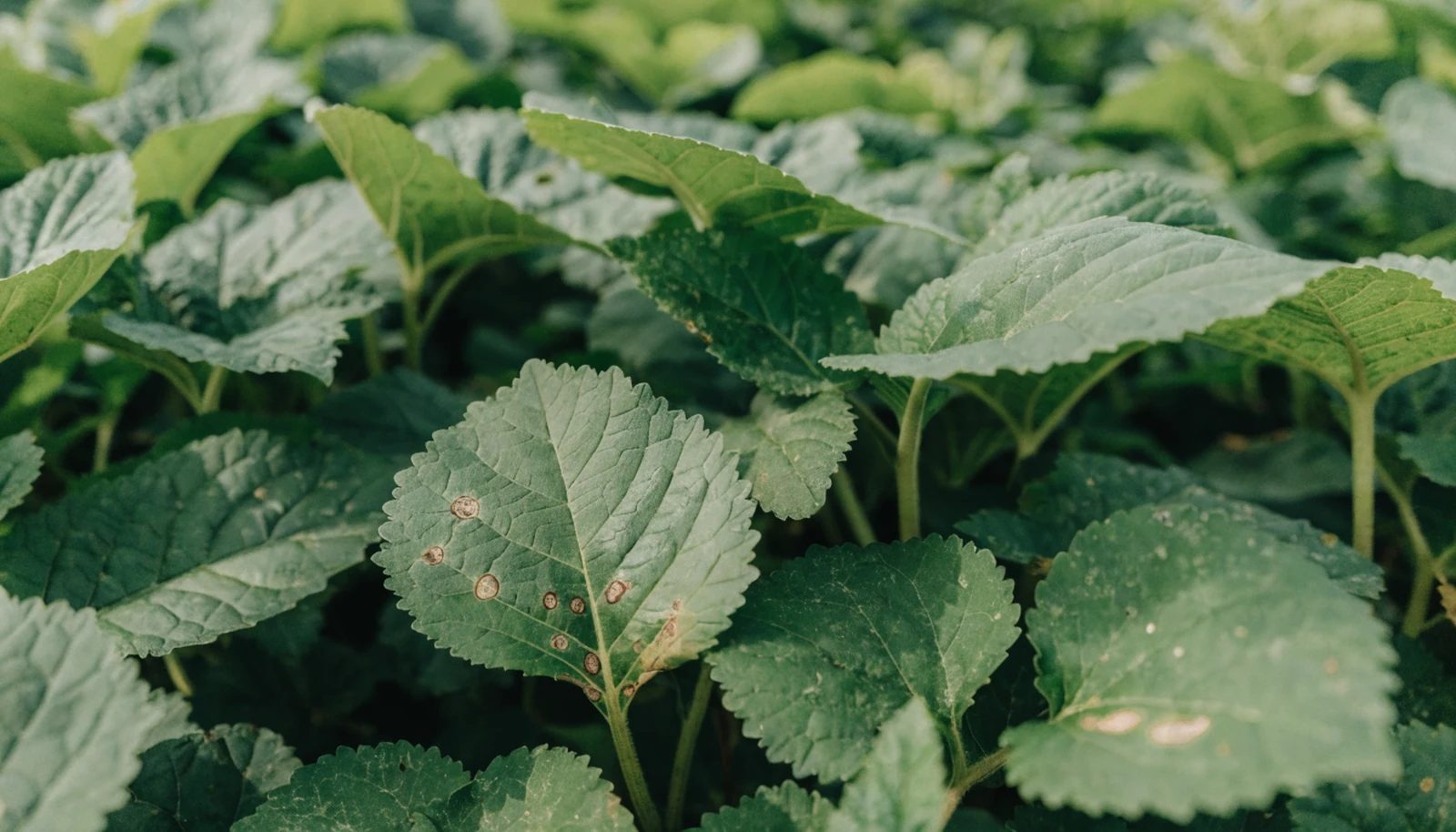
Common crops affected
Why it matters
Early splits are the way in. A pistachio that splits ahead of the crop is an open invitation, and the same larval damage carries Aspergillus flavus and the aflatoxin risk that closes export lots.
When to act
Watch the flights rather than the calendar. The first flight in late April to early May is monitored, not treated, in a normal year. The second flight, about 1,050 degree-days from the first peak in late June to early July, is treated only under severe pressure. Check early splits through the last two weeks of July and treat if more than 2 early splits per 100 nuts carry eggs. The principal application is hull slip in August, at about 2,100 degree-days from first egg lay, and a pre-shake pass in September covers the fourth flight and any delayed harvest.
What to look for
- Eggs laid singly on the hull, white turning reddish-orange before hatch.
- Early splits ahead of the main crop, which are where infestation starts.
- Webbing and frass inside the nut, and stained shells at harvest.
- Mummies left in the tree, in crotches and on the ground after harvest.
How to manage it
- Remove mummies from trees, crotches and the ground after harvest, before the rains.
- Egg traps at one per 5 acres from mid-March, checked twice weekly. Under mating disruption, use egg traps only.
- Monitor the first flight; treat the second only under severe pressure.
- Check early splits in the last two weeks of July; treat above 2 early splits per 100 nuts with eggs present.
- Apply at hull slip in August, then hold the window on a seven-day interval through to shake.
Recommended Vegalab program
Spider Mite Control · geraniol nanoemulsion, tolerance-exempt under 40 CFR 180.1251, applied foliar onto the nuts from hull slip through pre-shake. It layers onto sanitation and mating disruption rather than replacing either.
| Role | Product | Use |
|---|---|---|
| Principal application | Spider Mite Control | 1:500 · 51 fl oz/acre at 200 gallons of water per acre, foliar onto the nuts at hull slip |
| Through the window | Spider Mite Control | Every 7 days to pre-shake. Zero PHI covers a delayed harvest |
| Coverage aid, optional | Jumping Worm Control | 1:800 · 32 fl oz/acre, in tank with the principal application |
Product claims, registrations, rates and availability vary by jurisdiction; always follow the applicable label.