

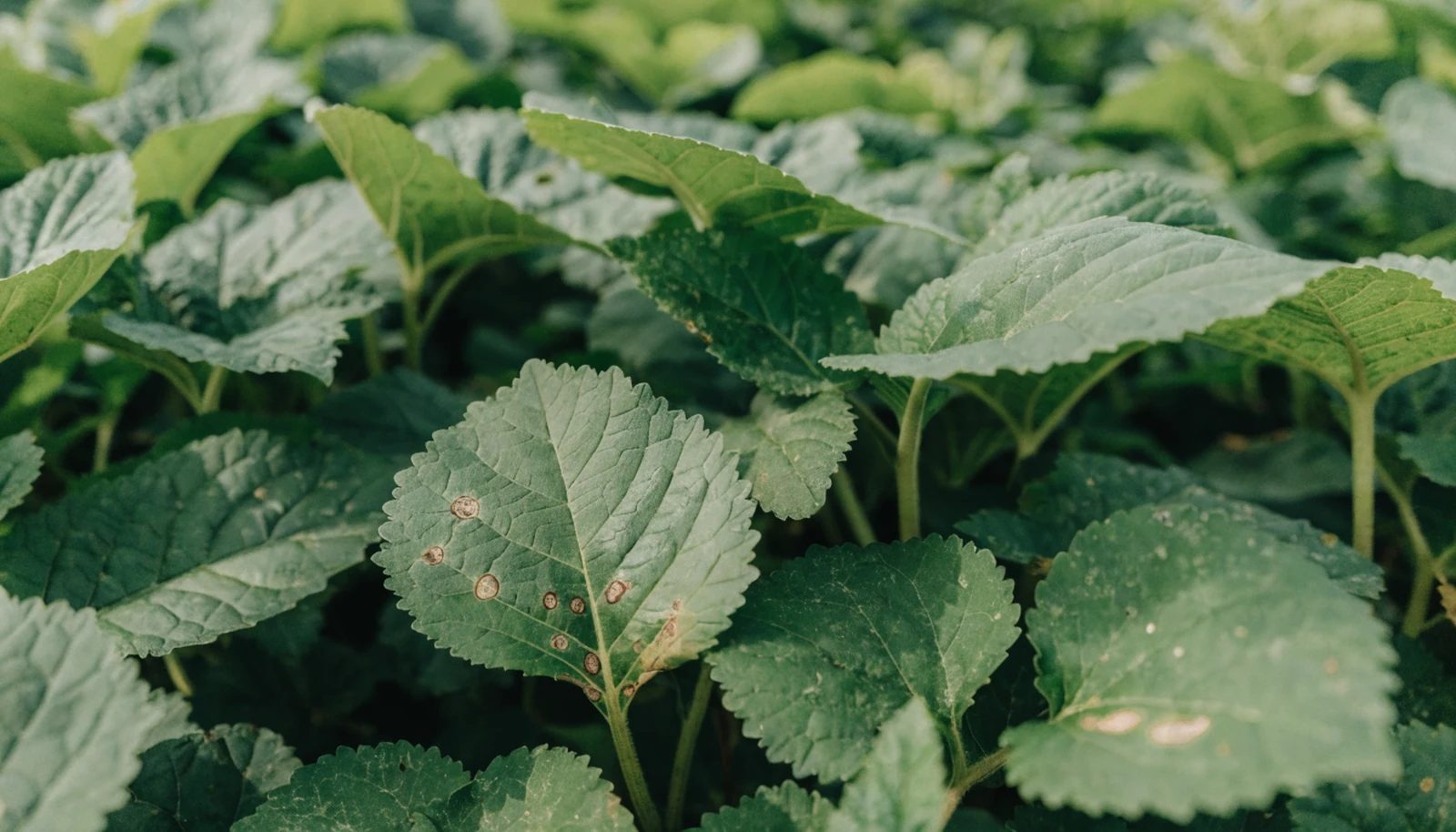
Common crops affected
Why it matters
It spreads from dying or wounded tissue and releases huge spore loads, so one infected fruit can rot a whole batch; sanitation and early protection are key.
When to act
Protect during bloom - the key infection window - and again as fruit ripens in cool, humid weather.
What to look for
- Tan, water-soaked lesions on ripening fruit
- Gray, dusty growth on rotting berries
- Blighted flowers and dried calyxes
- Rapid post-harvest breakdown
How to manage it
- Remove dead and infected tissue; improve airflow and lower humidity.
- Handle fruit gently; cool quickly after harvest.
- Apply Spore Control (1:1,000) through cool, damp periods.
Recommended Vegalab program
Spore Control / Mildew Control · encapsulated actives that adhere to flowers and fruit for rainfast suppression.
| Role | Product | Use |
|---|---|---|
| Primary control | Spore Control | Thymol; reduces inoculum on flowers & fruit |
| Firmness support | Rigid Boost | Firmer tissue resists invasion |
| Plant resilience | Armour Boost | Resilient tissue |
Product claims, rates, and availability vary by jurisdiction; always follow the applicable label.