

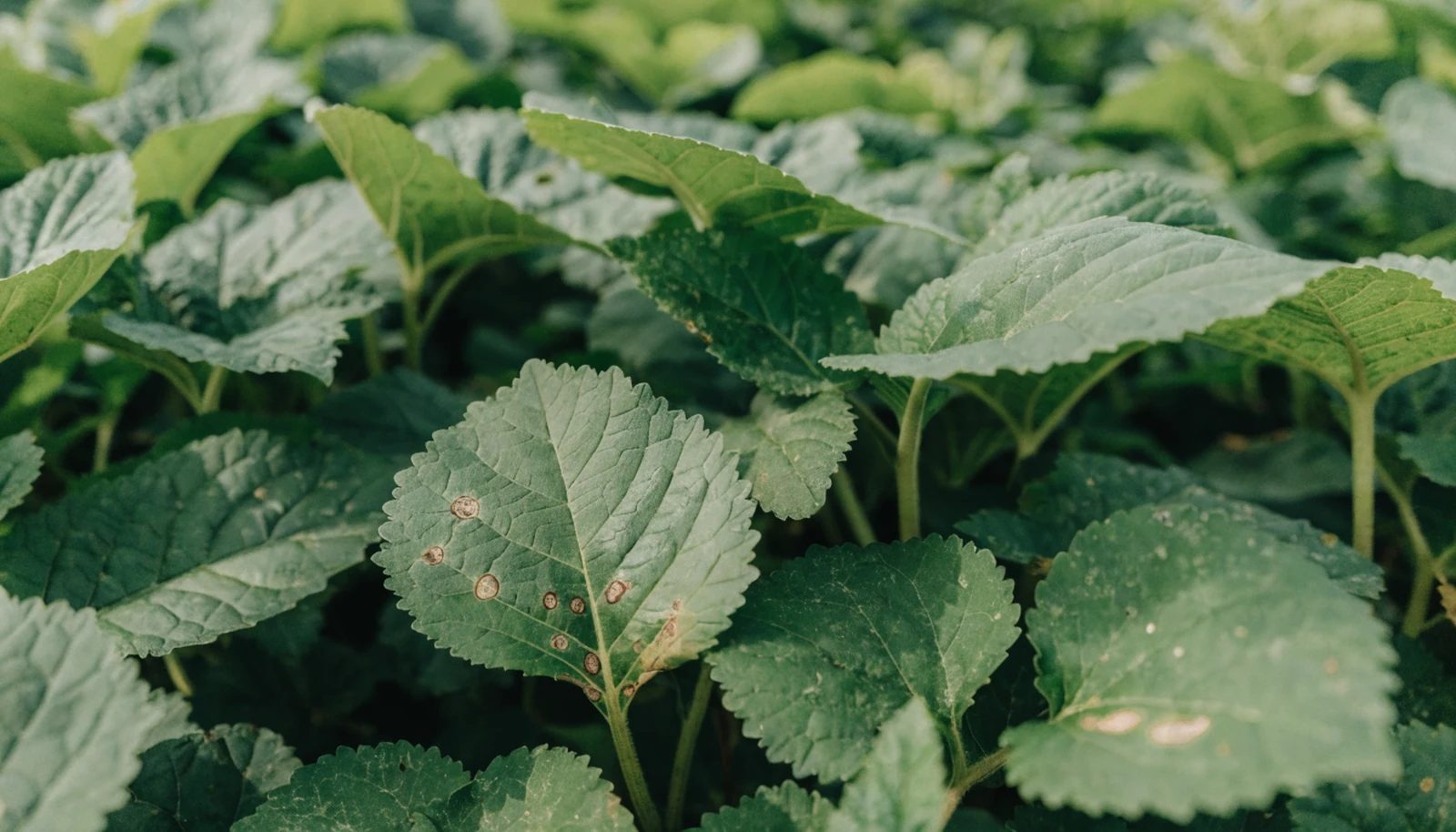
Crops affected
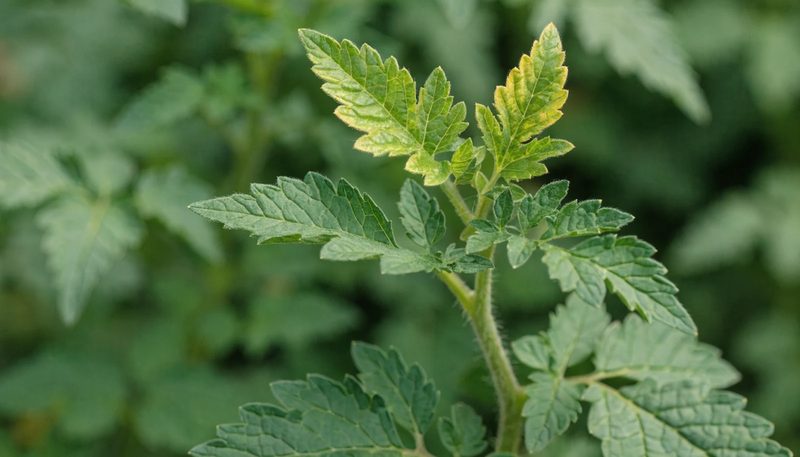
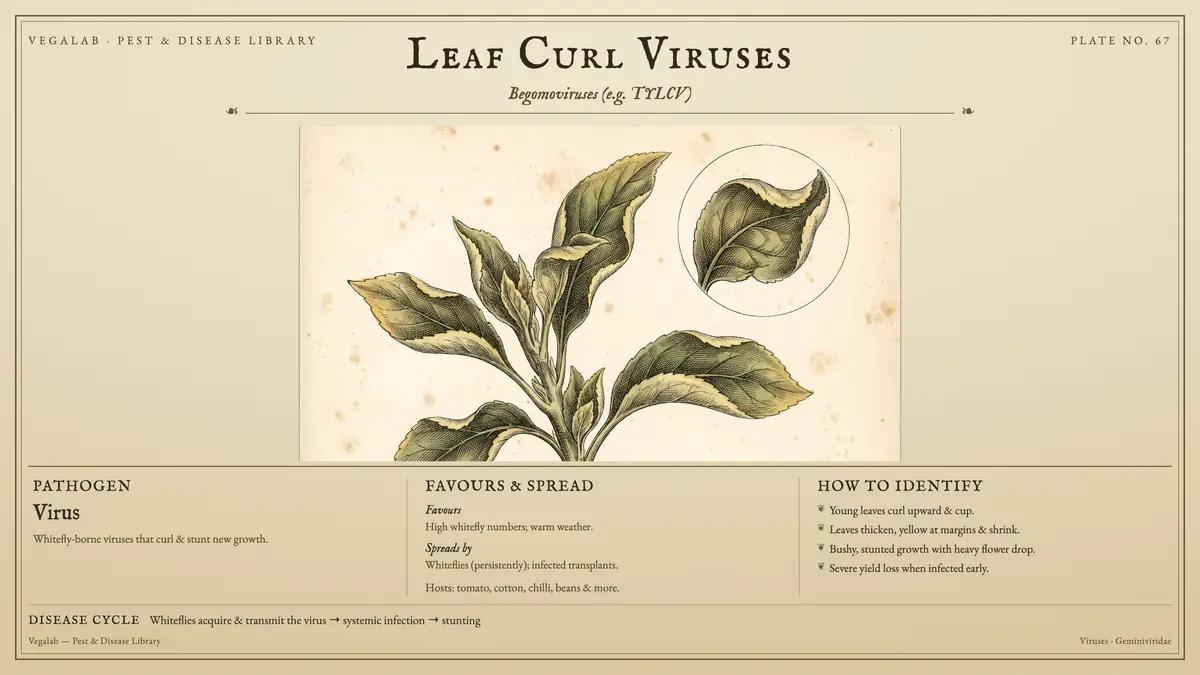
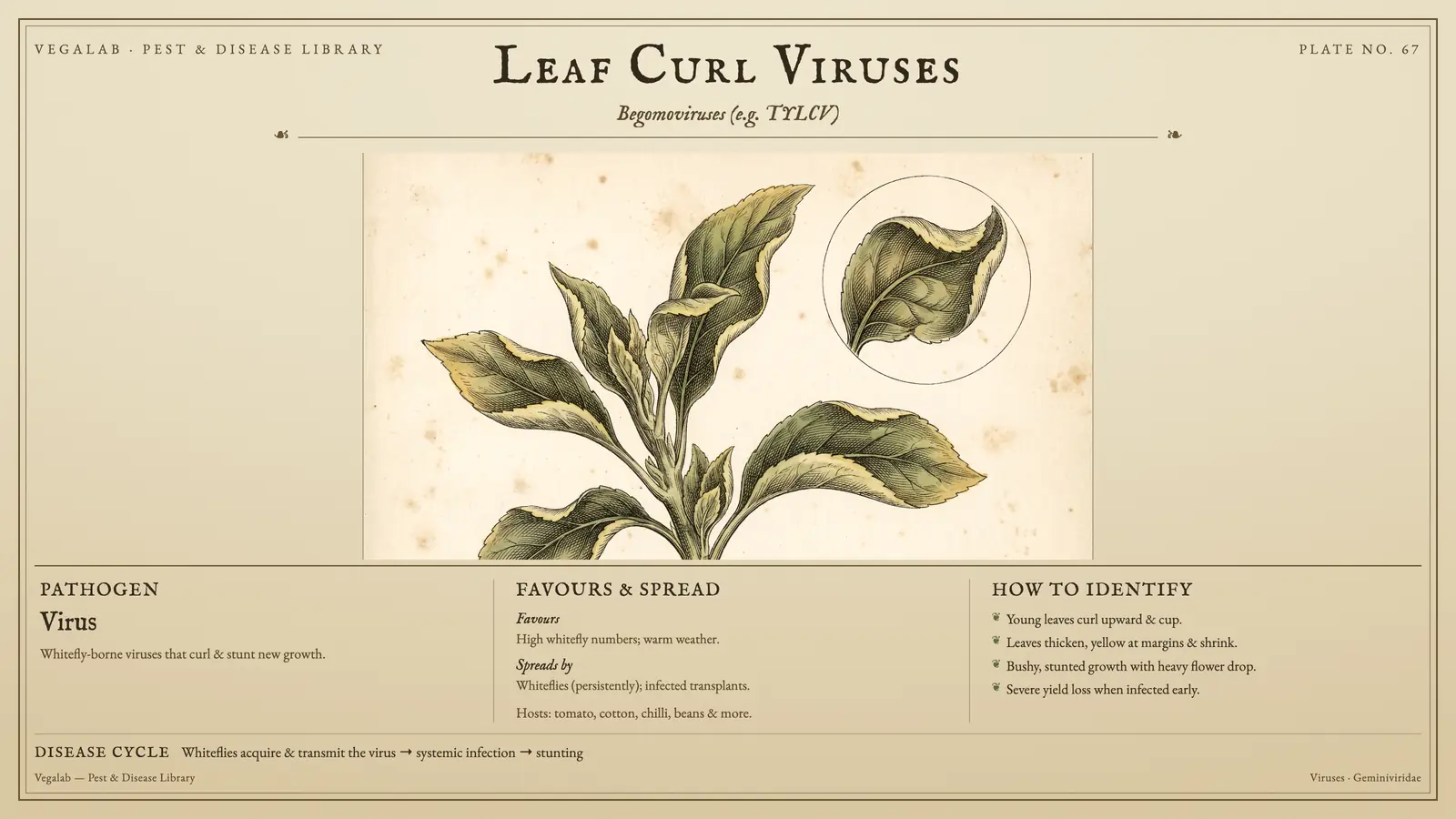
How to identify leaf curl viruses
- Leaves thicken, yellow at margins & shrink.
- Bushy, stunted growth with heavy flower drop.
What is it?
Leaf curl viruses are plant viruses (many in the begomovirus group, such as tomato yellow leaf curl virus) transmitted primarily by whiteflies, with some curl-type problems linked to aphids or thrips. The virus disrupts normal growth, causing curling, yellowing, and severe stunting. Infected plants remain infected and act as a reservoir.
How to identify it
- Upward or downward curling and crumpling of leaves, especially new growth
- Yellowing leaf margins and overall stunting
- Reduced flowering and fruit set; small, sparse fruit
- Spread that follows whitefly activity through the crop
Damage and how it spreads
Leaf curl viruses can severely stunt plants and slash yield, sometimes destroying a crop, and they cannot be cured. Because whiteflies (and in some cases aphids/thrips) drive the spread, the effective response is aggressive vector control plus removal of infected plants - not a spray aimed at the virus itself.
How to control it
- Control whiteflies (and other vectors) aggressively, especially early in the crop.
- Use resistant varieties and virus-free transplants where available.
- Remove and destroy infected plants promptly.
- Use barriers, traps, and weed management to reduce vector pressure.
How to manage leaf curl viruses
- Use resistant varieties. For TYLCV this is the most effective tool available and resistant tomato varieties are widely commercially available. Note that resistance is usually tolerance - plants yield acceptably while infected - rather than immunity.
- Exclude the vector. Insect-proof screening on protected crops, double-door entries, and UV-absorbing films which reduce whitefly entry. Exclusion is far more effective than suppression.
- Start with clean transplants. Infected transplants introduce the virus directly into a clean block, and propagation houses are a critical control point.
- Rogue infected plants promptly, bagging them rather than carrying them through the crop. Every infected plant is a source that whiteflies acquire from.
- Observe a host-free period between crops, and control weed and volunteer reservoirs - many begomoviruses persist in weeds and ornamentals.
- Use reflective and coloured mulches to reduce whitefly landing in field crops.
- Manage whitefly populations, understanding that because these viruses are persistently transmitted - the insect transmits for life after acquiring - vector control does help, unlike with non-persistent viruses.
- Time plantings to avoid peak whitefly flights where local knowledge allows.
Leaf curl viruses - the begomoviruses, of which tomato yellow leaf curl virus is the most damaging worldwide - are transmitted by whitefly and cannot be cured. As with all plant viruses, the entire strategy is exclusion, resistance and removal. Nothing applied to an infected plant will clear it.
Persistent transmission is the one piece of good news here: unlike the aphid-borne non-persistent mosaics, reducing whitefly numbers genuinely reduces spread. It is still secondary to resistance and exclusion.
Leaf curling: virus, insect, herbicide or physiology?
- Leaf curl virus: upward curling and cupping of leaflets, interveinal yellowing, marked stunting and shortened internodes, small distorted leaves at the growing point; whiteflies present or recently present; affected plants scattered then increasing
- Curly top · a different virus with a different vector: upward roll with thick, leathery leaves and warty, swollen vein enations on the leaf underside, growth stopping abruptly so the plant goes rigid rather than limp, and - decisively - randomly scattered single plants with completely healthy immediate neighbours. Curly top is a curtovirus carried by the beet leafhopper and does not move from plant to plant, so it never forms the expanding patches the whitefly-borne begomoviruses on this page do. Growers land on the wrong one of these two constantly; the field pattern separates them in one pass.
- Aphid or broad mite damage: distortion and curling of new growth, but the pest is findable and the damage stops when it is controlled
- Herbicide (growth regulator) injury: strapping, twisting and cupping across all new growth, usually uniform over an area or with a clear gradient from a field edge, and no stunting pattern that spreads
- Physiological leaf roll: upward rolling in response to heat, water stress or high light, which relaxes overnight and recovers with irrigation - very common and frequently mistaken for virus
- Tomato leaf curl from heavy pruning or root damage: temporary rolling that resolves
- Nutrient disorders: cupping with vein-related discolouration patterns
Curled leaves are one of the least specific symptoms in the library, and misdiagnosis is common and costly.
The combination of stunting, shortened internodes, interveinal yellowing and whitefly presence points to virus. Rolling that recovers overnight is physiological. Scattered single plants with healthy neighbours and no whiteflies points to Curly Top instead. See also Mosaic Virus and Whiteflies.
Why these viruses spread so fast
Begomoviruses have expanded globally over the past three decades and TYLCV in particular has become one of the most damaging plant pathogens in the world. Three features of the biology explain it, and each has a management implication.
Persistent transmission. Once a whitefly acquires the virus it transmits for the remainder of its life. A small number of long-lived insects can infect many plants over weeks, which is why the vector threshold for virus risk is far below the threshold for feeding damage.
An efficient, invasive vector. Bemisia tabaci is a species complex whose invasive biotypes have spread worldwide, are highly polyphagous, reproduce quickly, and are resistant to most insecticide classes. The vector's success is the virus's success.
Wide host and reservoir range. Many begomoviruses infect weeds, ornamentals and multiple crops, often without obvious symptoms, so reservoirs persist between crops and outside the field.
Together these mean the disease is regional as well as local: a grower's risk depends on whitefly pressure and infected reservoirs across the surrounding area, not only on their own hygiene. That is why area-wide host-free periods, coordinated planting dates and regional clean-transplant programmes have been the most successful responses where they have been implemented.
See Whiteflies for vector management in detail.
Recommended Vegalab solution: Spider Mite Control
No product cures a plant virus, so the honest, effective approach is vector control and sanitation. Vegalab Spider Mite Control controls whiteflies, aphids, and thrips that transmit leaf curl viruses, and MultiMite Control broadens coverage. Combine vector control with resistant varieties, prompt removal of infected plants, and trapping. Supporting plant resilience with Armour Boost helps healthy plants tolerate pressure.
| Role | Product | Use |
|---|---|---|
| Primary control | Spider Mite Control | Contact miticide / insecticide |
| Companion / broader pressure | MultiMite Control | Broader mixed mite & insect pressure |
| Plant support | Armour Boost | Silica for tissue resilience |
Preventing it next season
Control whiteflies from the start, use resistant varieties and clean transplants, trap and monitor, manage weeds, and remove infected plants early. Strong, resilient plants cope better - support them with Armour Boost.
Claims and product availability vary by jurisdiction. Always read and follow the product label.